
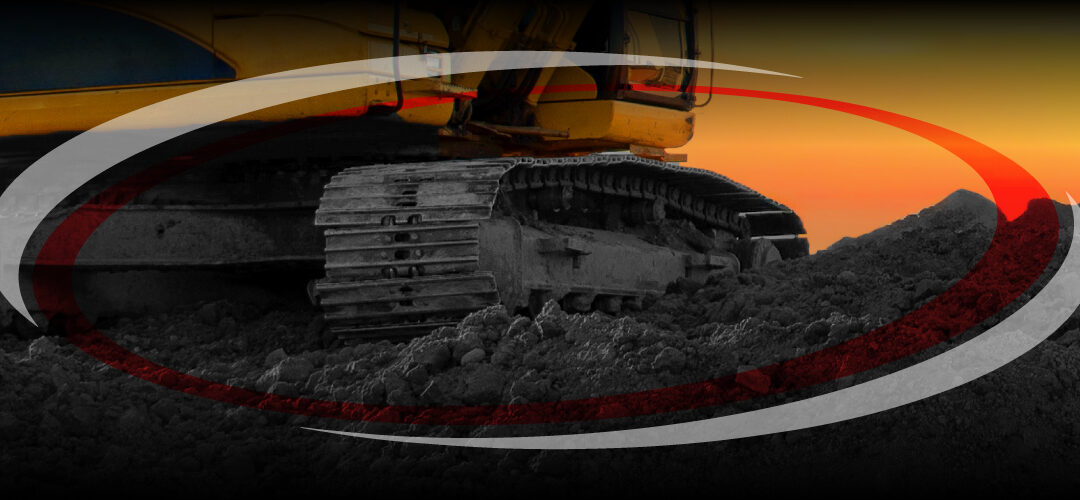
Your construction equipment is a significant investment, and unexpected breakdowns can cause downtime, possibly delaying projects and draining profitability. Although the rubber tracks on heavy equipment are durable, they are high-wear components that require consistent maintenance. Below is your simple guide to rubber track maintenance, helping you maximize their lifespan and keep projects on schedule.
A Guide to Cleaning and Inspection
Daily cleaning and visual inspections can help maintain their functionality. Mud, rocks and other debris can get stuck in the tracks. These elements can grind against undercarriage components, accelerating wear. Dirt is also an effective mask that can hide minor issues until they become expensive.
Use a pressure washer or a shovel to remove packed mud and debris. Pay particular attention to areas that are easy targets for mud buildup, such as the rollers and idlers. Once the tracks are clean, conduct your visual inspection. Look for signs of wear, like deep cuts or gouges, that can lead to tearing. Remember to review the sprockets to ensure they are not worn.
If you notice deep cracks or exposed cords, it may be time for a replacement. Timely replacements from premium brands can prevent breakdowns on the jobsite. Get high-quality rubber tracks that have been tested against the most rugged conditions.
How to Set Proper Track Tension
Our second tip for rubber track maintenance is to ensure proper track tension. Inaccurate track tension is among the leading causes of premature track failure.
When tracks are too tight, they can create excessive friction, which can wear down the rollers and idlers and strain the engine. However, if they are too loose, they may derail, also affecting the integrity of the undercarriage components.
Skid Steer Track Maintenance
Before you begin maintenance on the skid steer tracks, raise the skid steer off the ground and ensure you can see clearly beneath both tracks. Find the midpoint between the front and rear idlers and use a measuring tape to quantify the track sag.
Review the operations and maintenance manual (OMM) to determine the accurate specifications for your machine. If you need to adjust the skid steer track tension, open the access panel and add grease to tighten it. If you need to loosen the tension instead, use the valve to release some pressure.
Excavator Track Maintenance
Adjusting excavator rubber track tension is similar to doing so on a skid steer. After lifting the excavator off the ground, you’ll need to raise one track at a time.
Place your measuring tape between the inner track surface and the bottom of the roller. If the track is too tight, use the grease gun to retract it and release the pressure relief valve if it’s too loose. Remeasure to ensure alignment with OMM guidelines.
Upgrade Your Equipment With XRTS
While these rubber tracks maintenance tips will help you increase the lifespan of your gear, all tracks eventually wear out. When they do, choose a replacement from a leading supplier.
At XRTS, we provide rubber tracks for multiple equipment types from trusted manufacturers. As your dedicated partner on the jobsite, we run rigorous tests on our products to ensure we provide high-performance equipment that delivers. Browse our product categories today, and if you have any questions, contact us.